


Thousands of Wisconsin Bridges Are in Poor Condition
- Under 20
- 20-39
- 40-59
- 60-79
- 80+
Number of Poor/Severe Bridges
Inaugural Inventory and Inspection Unearths Nearly 17,000 Small Bridges, More Than 1,600 Structures Rated Poor
Small Bridge Inspection Results
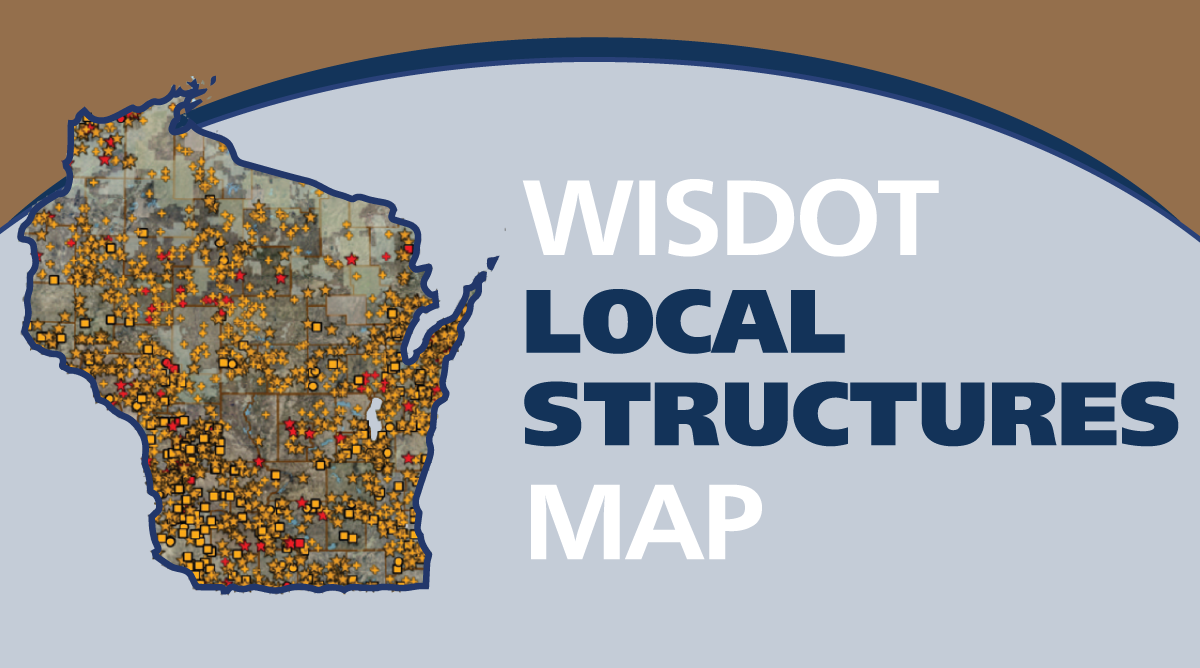
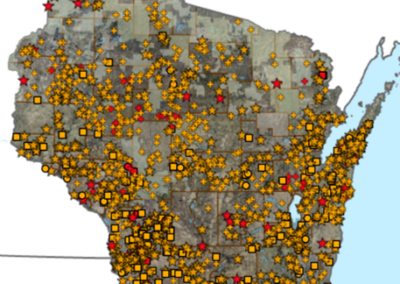
For an interactive map of recently documented small structures, click the image.
Bridge Ratings Explained
Severe
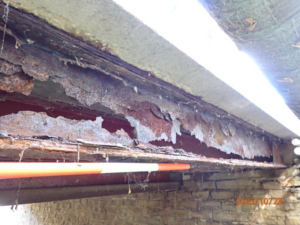
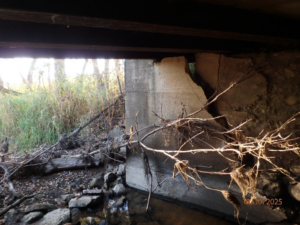
The bridge is severely deteriorated, with the structure's performance and capacity significantly diminished. The bridge should be replaced as soon as possible.
Poor
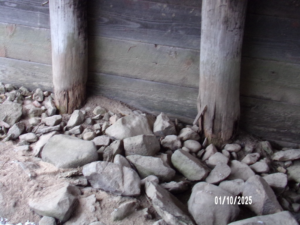
The bridge’s deterioration affects the structure's capacity or its ability to properly allow water to flow. Plans should be underway to replace the structure, and the structure’s owner may have implemented weight or lane restrictions to extend its life.
Fair
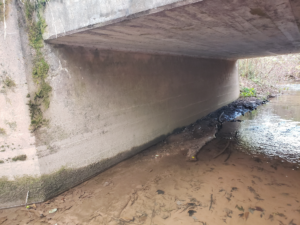
The bridge shows some deterioration but remains structurally sound and functional. Depending on the bridge, rehabilitation may make sense to extend the structure’s life.
Good
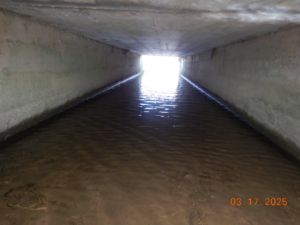
The bridge is in good condition, with little deterioration.
Wisconsin's Bridges Need Reliable, Long-Term Investment
Despite continued prioritization, Wisconsin still has thousands of bridges that require repair or replacement.
According to the latest federal bridge data, roughly 1,750 bridges in the state, including those in poor condition, will need significant rehabilitation or full replacement, with an estimated cost of nearly $2 billion. Funding for this work comes from a mix of local resources and state programs such as the Local Bridge Program, highway rehabilitation efforts, and major highway improvement initiatives.
For smaller bridges, the Wisconsin Department of Transportation (WisDOT) estimates that more than $240 million is needed to replace those rated in poor or severe condition. The 2025–27 state budget included $30 million in one-time funding to address the most urgent needs, beginning with more than 100 small bridges classified as severe. While this is an important step forward, demand far exceeds available funding, leaving many communities competing for limited resources.
Addressing both large and small bridge needs over the long term will require Wisconsin to strengthen existing programs and preserve the purchasing power of current funding in the face of inflation and rising construction costs. Consistent, sustainable investment is essential to keep our roads and bridges safe and communities connected.
Latest Videos
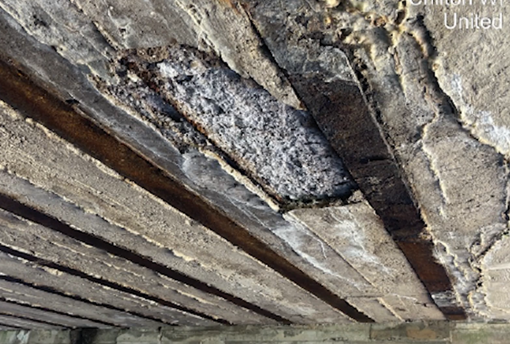

Bridges In The News
Our Partners
Using WisDOT’s Local Structures Map
To view all small bridges, city/village/town boundaries, or legislative districts on the map:
- Open the layer controls. Locate the toolbar at the top of the map. Click the layers icon (it looks like stacked squares or overlapping sheets, the second button from the left).
- Turn on the desired layer. In the Layers panel that appears:
- Find the relevant option: All Local Structures / City/Village/Town (CVT) Boundaries / State Assembly Districts or State Senate Districts
- Click the eye icon (visibility toggle) next to your choice to make it visible. (The eye changes from crossed out to solid when the layer is turned on.)
- Zoom in for detail. Use the zoom tools (+/- buttons, mouse wheel, or double-click) to zoom closer to your area of interest.
- Click the structure icon for bridge and inspection details.
Tips:
- You can turn multiple layers on at once (e.g., CVT boundaries and a legislative district).
- If a layer doesn't appear, check your current zoom level. Some detailed features are hidden when zoomed out too far.
- To hide the layer again, click the eye icon.
About the National Bridge Inventory
The National Bridge Inventory (NBI) is a nationwide database maintained by the Federal Highway Administration (FHWA), an agency within the U.S. Department of Transportation. It includes detailed information on bridges (and culverts) with spans exceeding 20 feet and that carry public roads or that have roads passing over or under them.
These structures are subject to routine inspections, typically at intervals not exceeding 24 months. Under updated National Bridge Inspection Standards (NBIS), agencies may adopt a risk-based approach to adjust inspection frequencies:
- Higher-risk bridges (such as those in poor condition) are inspected more frequently, often every 12 months or less.
- Lower-risk bridges may qualify for extended intervals of up to 48 months using a simplified risk assessment method, or up to 72 months with a more rigorous, approved risk-based method.
The NBI was established by the Federal-Aid Highway Act of 1968 following the Silver Bridge collapse. It created a standardized, nationwide system for collecting and reporting bridge data nationwide.
Today, the NBI supports consistent inspection and monitoring practices. It helps agencies identify structural issues early and make informed decisions about maintenance, rehabilitation, and replacement, ultimately improving the safety of the traveling public.
Like most transportation datasets, the NBI represents a snapshot in time. States submit updated data each spring, and the FHWA publishes the compiled dataset by June 15 of each year.
Small Bridge Effort
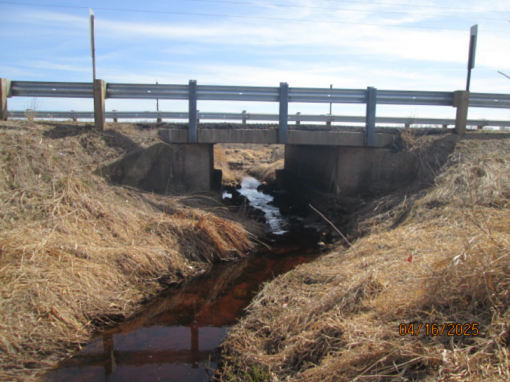
Like many states, Wisconsin lacked comprehensive data on small bridges—often called culverts—with spans of 20 feet or less. Critical information such as the number, location, ownership, and condition of these structures was largely unknown.
To address this gap, the 2023–2025 state budget allocated $12.5 million to inventory and assess locally owned small bridges spanning more than 6 feet and up to 20 feet. Unlike larger bridges, those over 20 feet, which are tracked through the federal National Bridge Inventory (NBI), these smaller structures had no formal state or federal inventory or inspection requirements.
Program Phases
The initiative was carried out in two phases:
Inventory Phase (2024)
Local governments (counties, cities, towns, and villages) collected basic data such as ownership, location, structure type, material, and length. This work did not require specialized credentials and was completed by local staff, county highway departments, and private contractors. By the end of 2024, nearly 17,000 small structures had been identified, compared to about 14,400 larger bridges already documented.
Inspection Phase (2025)
Certified Wisconsin bridge inspectors evaluated each structure using the National Bridge Inspection 0–9 condition rating scale:
- 7–9 (Good): Expected service life of 20+ years; no immediate action needed
- 5–6 (Fair): Long-term planning recommended
- 3–4 (Poor): Replacement planning advised
- 0–2 (Severe): Immediate action required (e.g., load posting or closure)
Inspections included component ratings (such as deck, superstructure, and substructure for bridges, or overall condition for culverts), along with measurements, notes, and photos. This phase began in early 2025 and was largely completed by December 31, 2025.
What’s Next
As inspections progressed, it became clear that many small structures, especially those rated “severe”, require urgent attention. In response, the 2025–2027 biennial budget included a one-time $30 million investment to replace the most critical structures.
In February 2026, WisDOT launched the Local Small Structure Improvement Program (LSSIP), which reimburses local governments for replacing deteriorated small bridges and culverts (6–20 feet in span). Eligible projects may receive up to a 90% state cost share.
While this initial funding is expected to address the structures rated severe, significantly more investment, likely hundreds of millions of dollars over time, will be needed to repair or replace the bridges in poor condition and ensure the long-term safety and reliability of Wisconsin’s transportation system.